Climate Change Increases the Risk of Connected Hazards

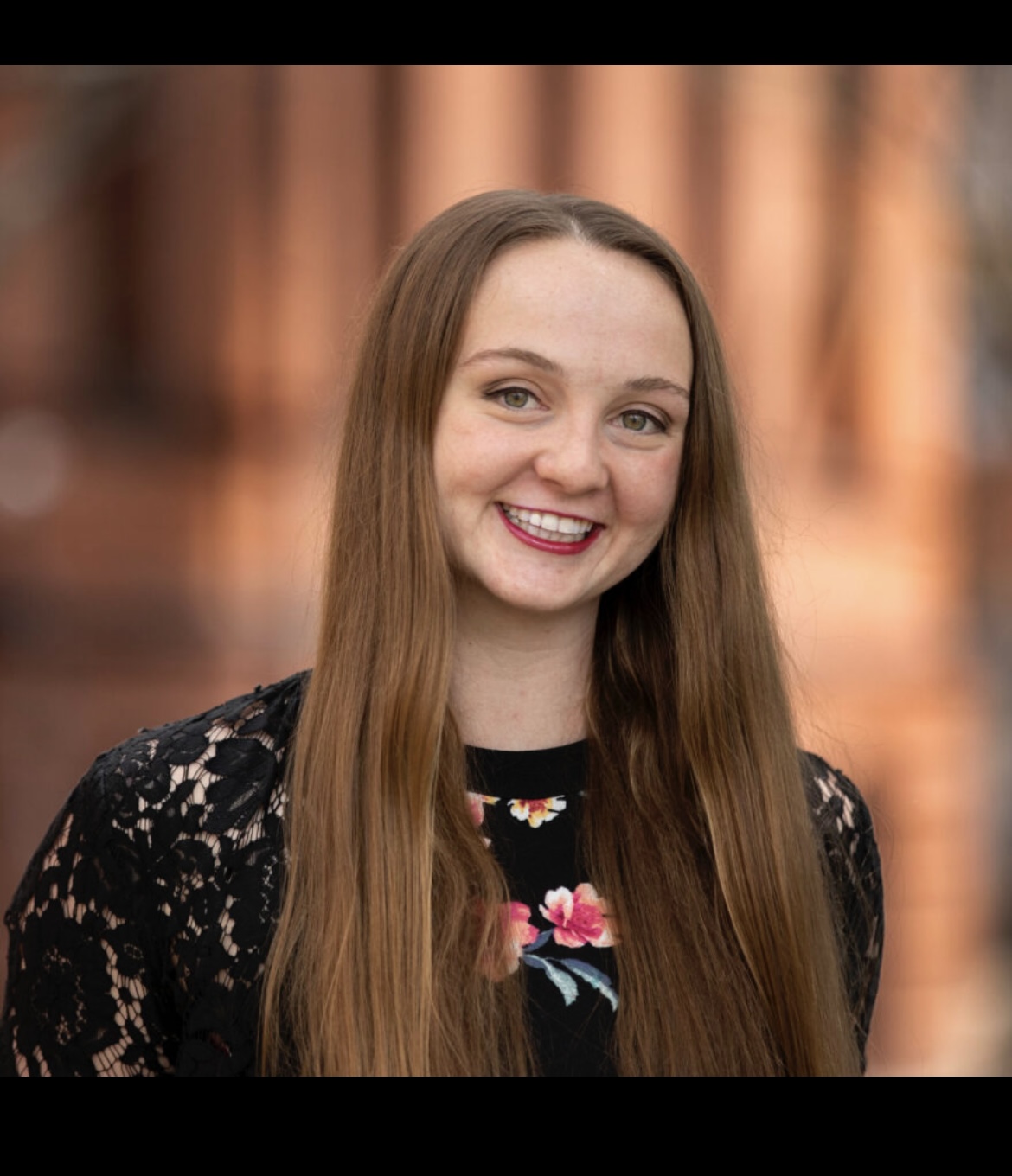
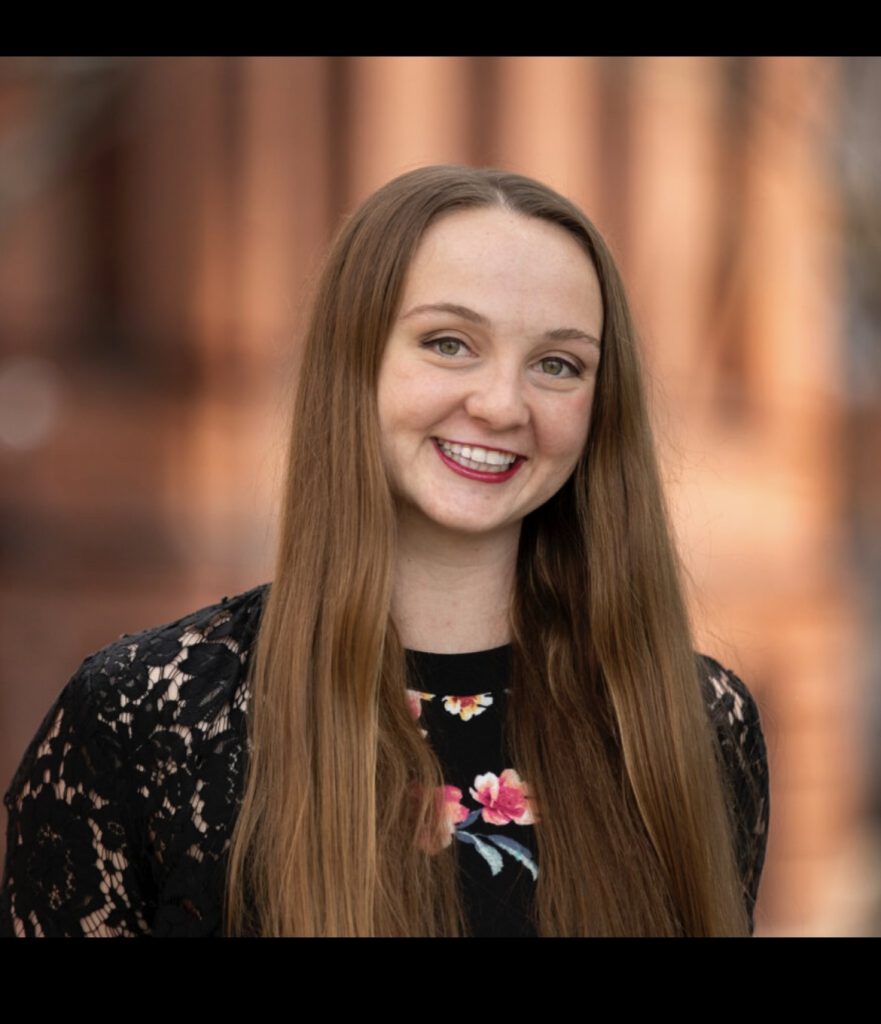
Danica Adams is a NASA Sagan Fellow at UCLA EPSS in Professor Hilke Schlichting’s group, and she was recently awarded the UCLA Chancellor’s Postdoctoral Fellowship. She is a photochemist with interest in planet evolution. With Dr. Schlichting, Danica is investigating how disequilibrium chemistry can explain JWST measurements of exoplanet atmospheres. Danica also conducts research in the solar system. There, she is passionate about when Mars and Venus could have hosted liquid water in their early histories and what atmospheric chemistry could have supported such climates. She obtained her B.A. in Planetary Science from UC Berkeley, and her PhD from Caltech. Before joining UCLA, she was a postdoctoral fellow at Harvard in the Wordsworth group for two years.
For More Information: https://www.postdoc.ucla.edu/prospective-postdoctoral-scholars/chancellors-postdoctoral-fellowship-program/

Date: 1/15/2026
Time: 12:00 – 1:00 pm
Location: 3853 Slichter Hall
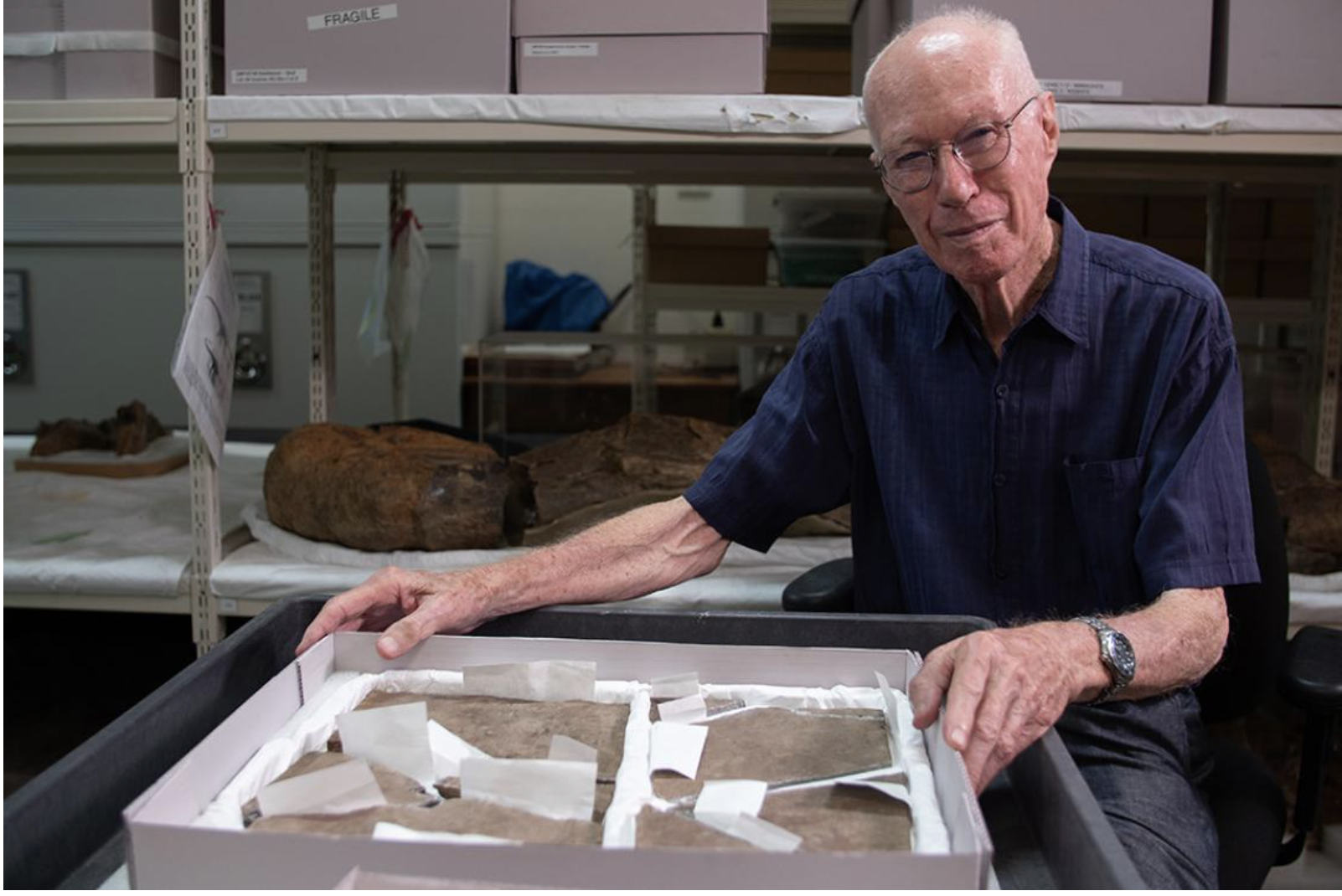
Presented By: Prof. Man Hoi Lee – University of Hong Kong
Abstract:
In our Solar System, there are numerous mean-motion resonances for the minor bodies and satellites, but there are no mean-motion resonances between the planets. The first mean-motion resonance in an extrasolar planetary system – the 2:1 resonance between two Jupiter-mass planets around the star GJ 876 – was discovered in 2001. Since then, an increasing number of pairs of planets in or near mean-motion resonances and resonant chains of three or more planets have been detected. I will discuss the dynamics of these systems and the constraints that they provide on the formation and dynamical evolution of planets. Topics will include high-order mean-motion resonances in the HD 202206 and nu Ophiuchi systems and the formation of resonant chains near the inner edge of protoplanetary disks.