Skip to Main Content
OLYMPUS DIGITAL CAMERA

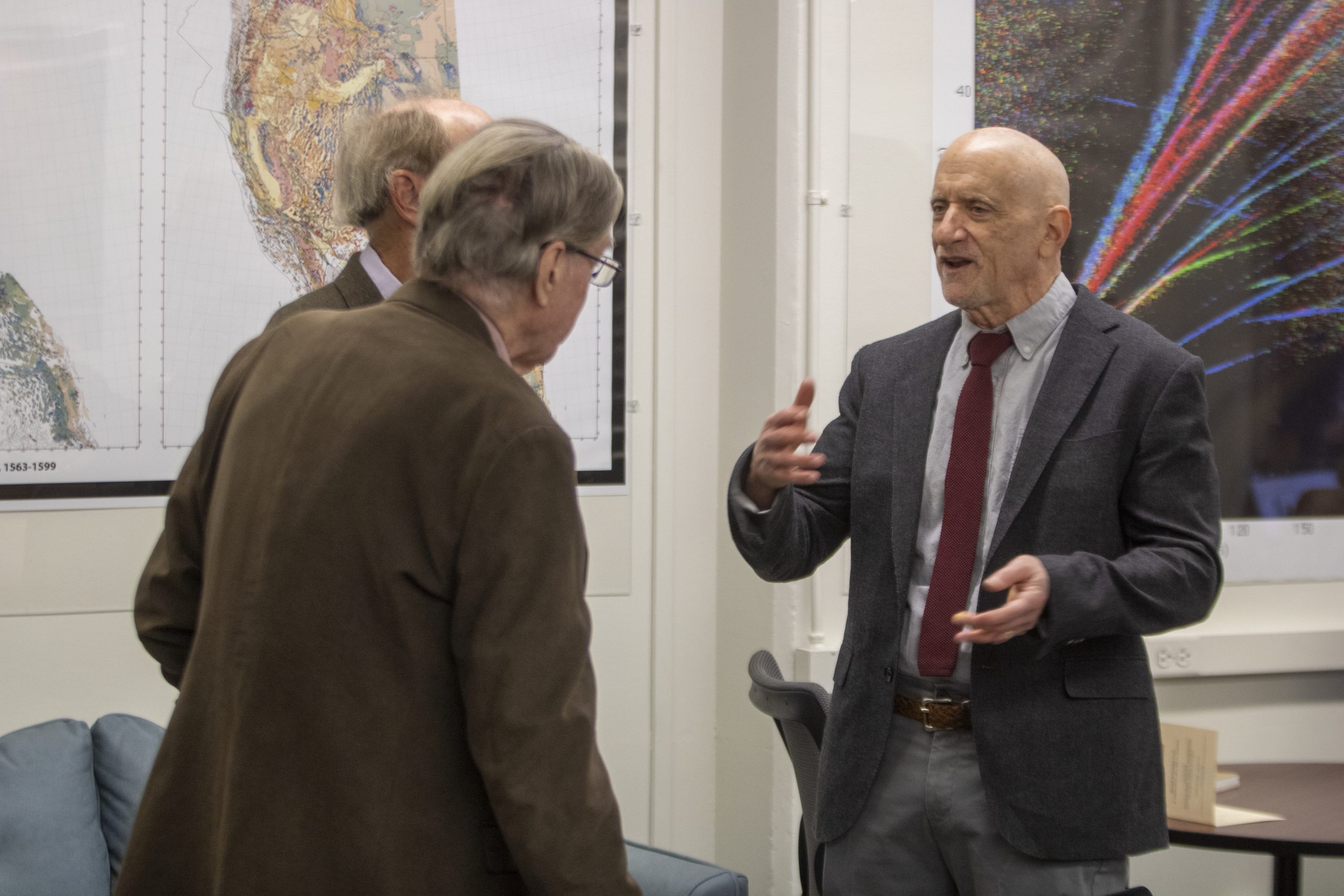
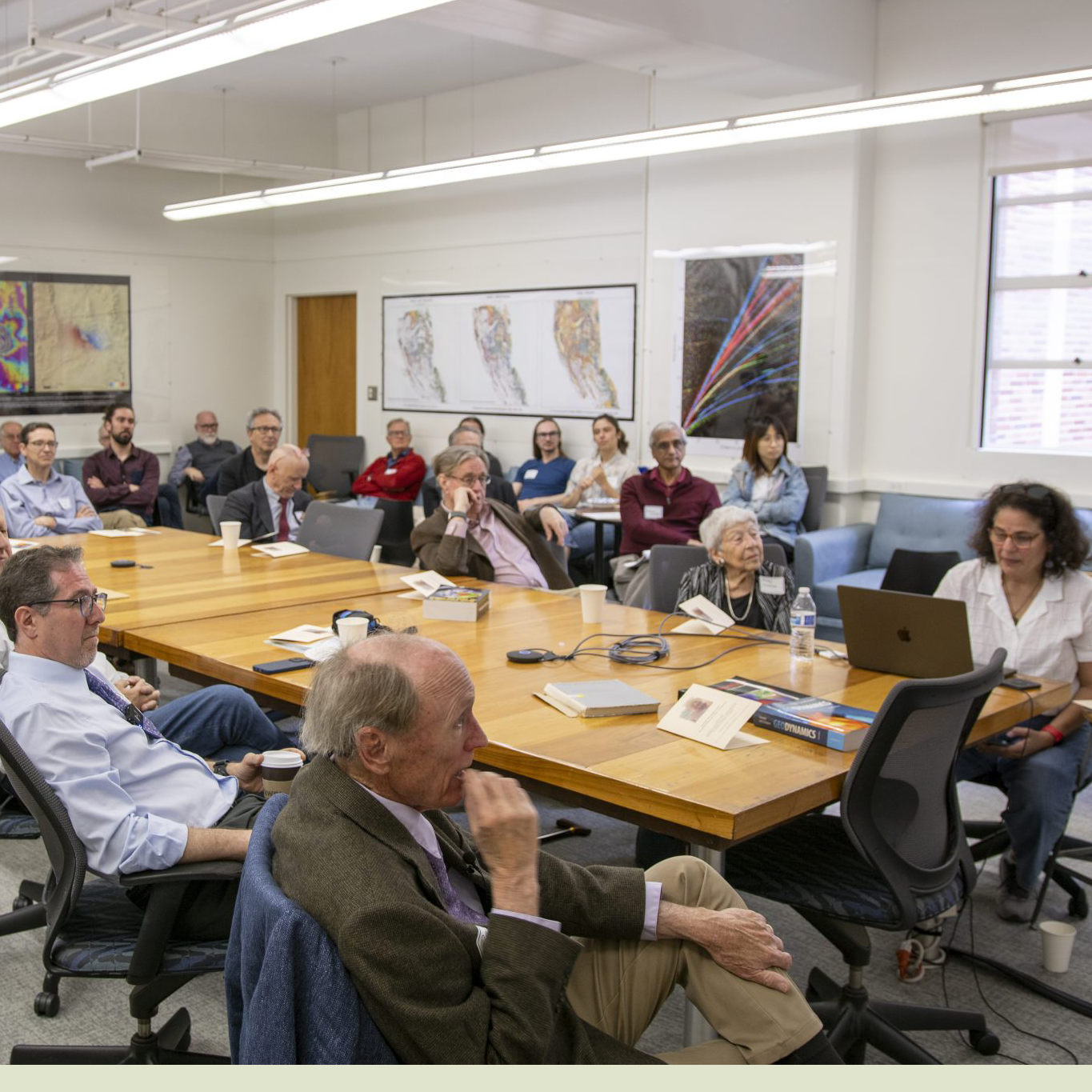
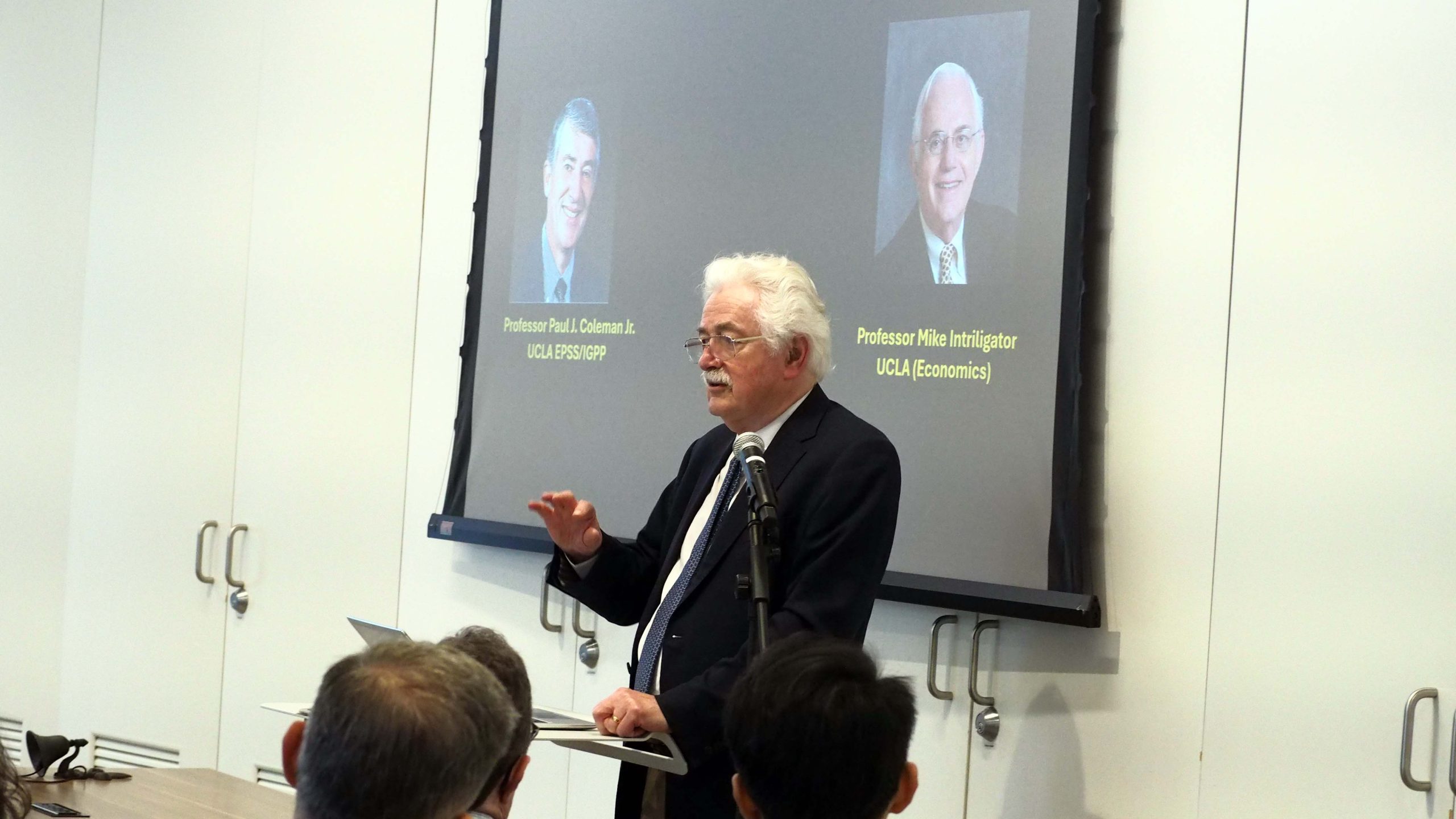
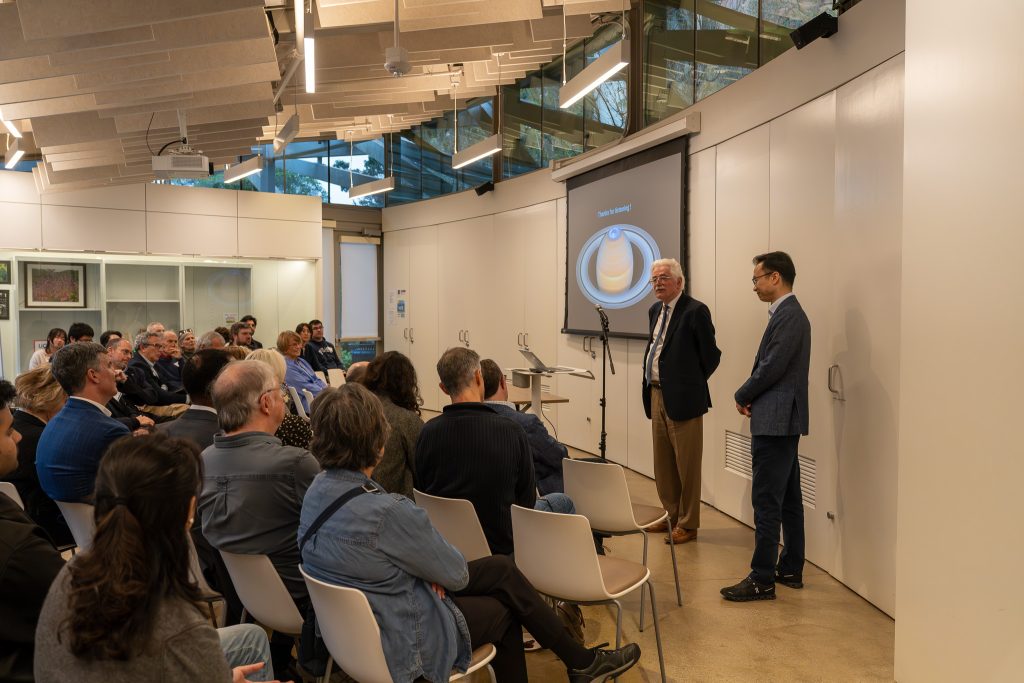
UCLA Department of Earth, Planetary and Space Sciences (EPSS) and the SPACE Institute recently hosted a special seminar featuring Prof. David J. Southwood CBE from the Physics Department at Imperial College London. Prof. Southwood, who served as Director of Science and Robotic Exploration at the European Space Agency for a decade, offered a timely perspective on how global space programs are shaped by science, economics and geopolitics. 

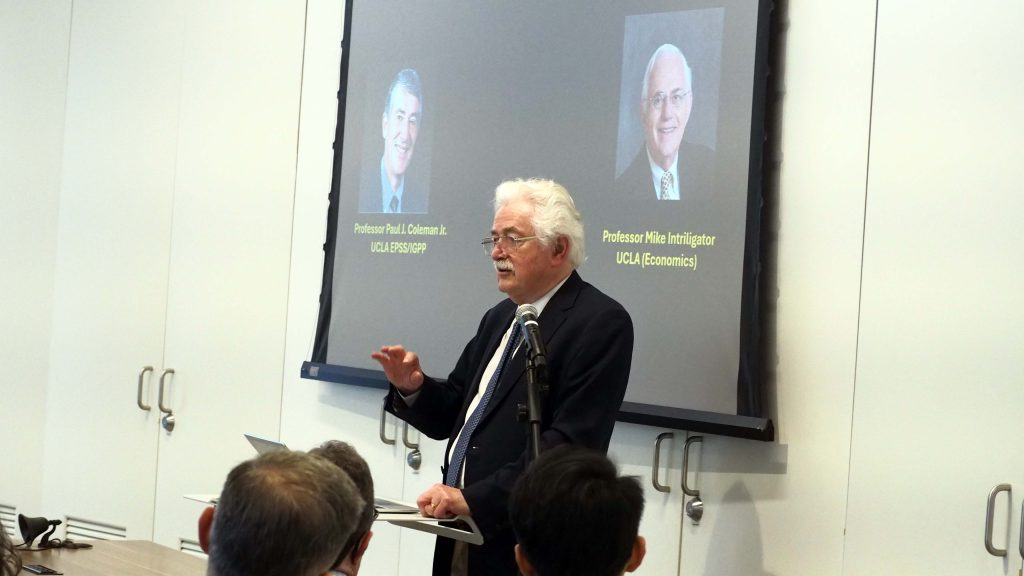
In his presentation, Prof. Southwood acknowledged two mentors at UCLA, Prof. Paul J. Coleman Jr. (EPSS/IGPP) and Prof. Mike Intriligator (Economics), who inspired his early interest in space science, policy, and their societal impact.

In “ESA and NASA: A Tale of Two Space Agencies,” Prof. Southwood explored the contrasting approaches and priorities of NASA and ESA, highlighting the growing importance of space as both a scientific frontier and a driver of economic and strategic influence. He noted that Europe has used ESA to catch up with capabilities long established in the United States, particularly through its delivery of civil services in navigation (Galileo system) and Earth system monitoring (Copernicus). 

Similarly, the satellite communications constellation IRIS2, currently being developed by ESA and the European Union, aims to ensure that European governments are not dependent on US-based systems such as Starlink, where access could be restricted under critical strategic circumstances. 

In his presentation, Prof. Southwood also acknowledged two mentors at UCLA, Prof. Paul J. Coleman Jr. (EPSS/IGPP) and Prof. Mike Intriligator (Economics), who inspired his early interest in space science, policy, and their societal impact. Prof. Southwood has a deep connection to UCLA EPSS. He was a postdoctoral scholar in the department from 1970 to 1971 with the late Prof. Paul J. Coleman, Jr. as his advisor. Over the following decades, he returned as a visiting professor, collaborating closely with Prof. Margaret G. Kivelson. Their joint publication in JGR: Space Physics in 2020 entitled “An Improbable Collaboration” (https://doi.org/10.1029/2020JA028407) reflects on their nearly half-century of scientific collaboration. 

The event underscored UCLA EPSS’s longstanding leadership in space science and exploration, reflecting the department’s deep engagement with major space missions and its role in advancing research that helps define the future of the field.

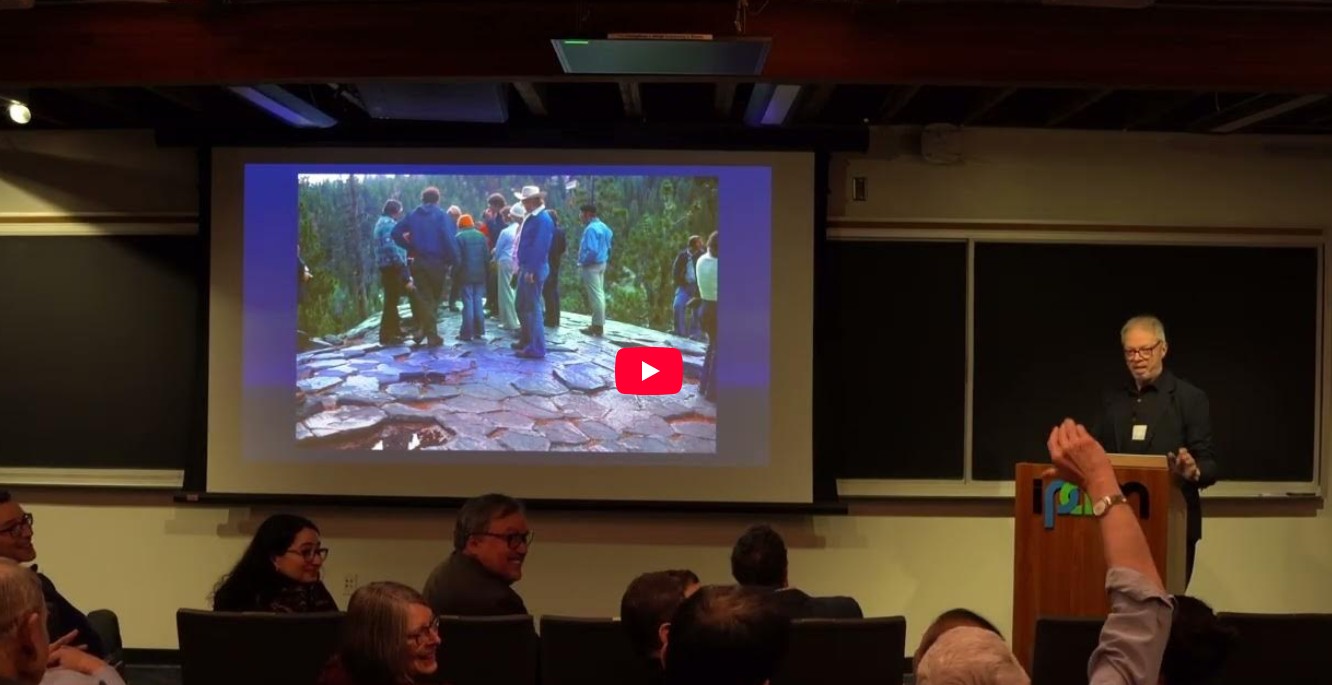
Prof. Southwood answered several questions from the audience after his presentation.

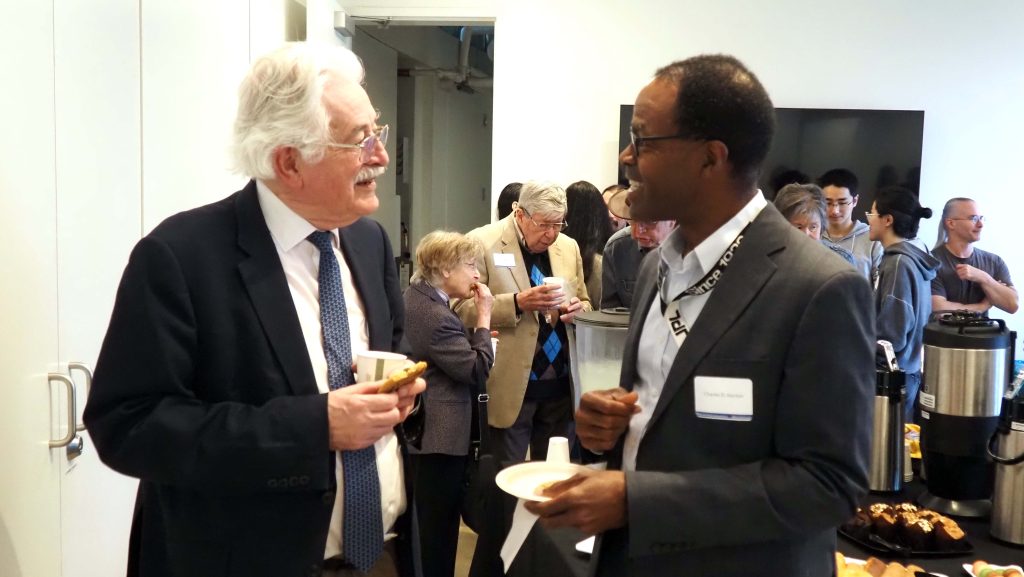
Prof. Southwood’s seminar drew attendees from academia and industry across Southern California, including Dr. Charles D. Norton, Chief Technology Strategist at the Jet Propulsion Laboratory.

Allen F. Glazner (Ph.D. 1981), Emeritus Mary Lily Kenan Flagler Bingham Distinguished Professor at UNC Chapel Hill, gave the EPSS Distinguished Alumni Lecture on Thursday February 12, 2026, with his talk entitled “The Mythology of Magma Chambers.

Please join us in congratulating Prof. Jean-Luc Margot on his election as an Associate Member of the Royal Academy of Sciences, Letters and Fine Arts of Belgium.

Founded in 1772, the Academy is one of the oldest scientific societies in the world. Its Classe des Sciences maintains a highly selective membership, limited to 60 resident members based in Belgium and 50 associate (international) members worldwide. This year, only two associate member positions were available globally.

Associate members are distinguished scientists from outside Belgium or Belgian scientists residing abroad. The Academy has included influential figures in science, such as André-Marie Ampère (French, discovered Ampère’s law relating electricity and magnetism), Charles Darwin (English, discovered natural selection), Georges Lemaître (Belgian, discovered expansion of the universe), and Harold Urey (American, discovered deuterium, Nobel laureate in chemistry). Members of the Academy play an important role in advancing science through international representation, public lectures, organization of scientific meetings and conferences, awarding prizes, and contributing scholarly reports.

Prof. Margot’s election to the Academy is a testament to the significance of his scientific contributions. We are proud to celebrate his well-deserved recognition among such an esteemed community of scholars.

For more information about the Academy, please visit: https://academieroyale.be/fr/accueil/

Special thanks to Kyle Webster for the video.

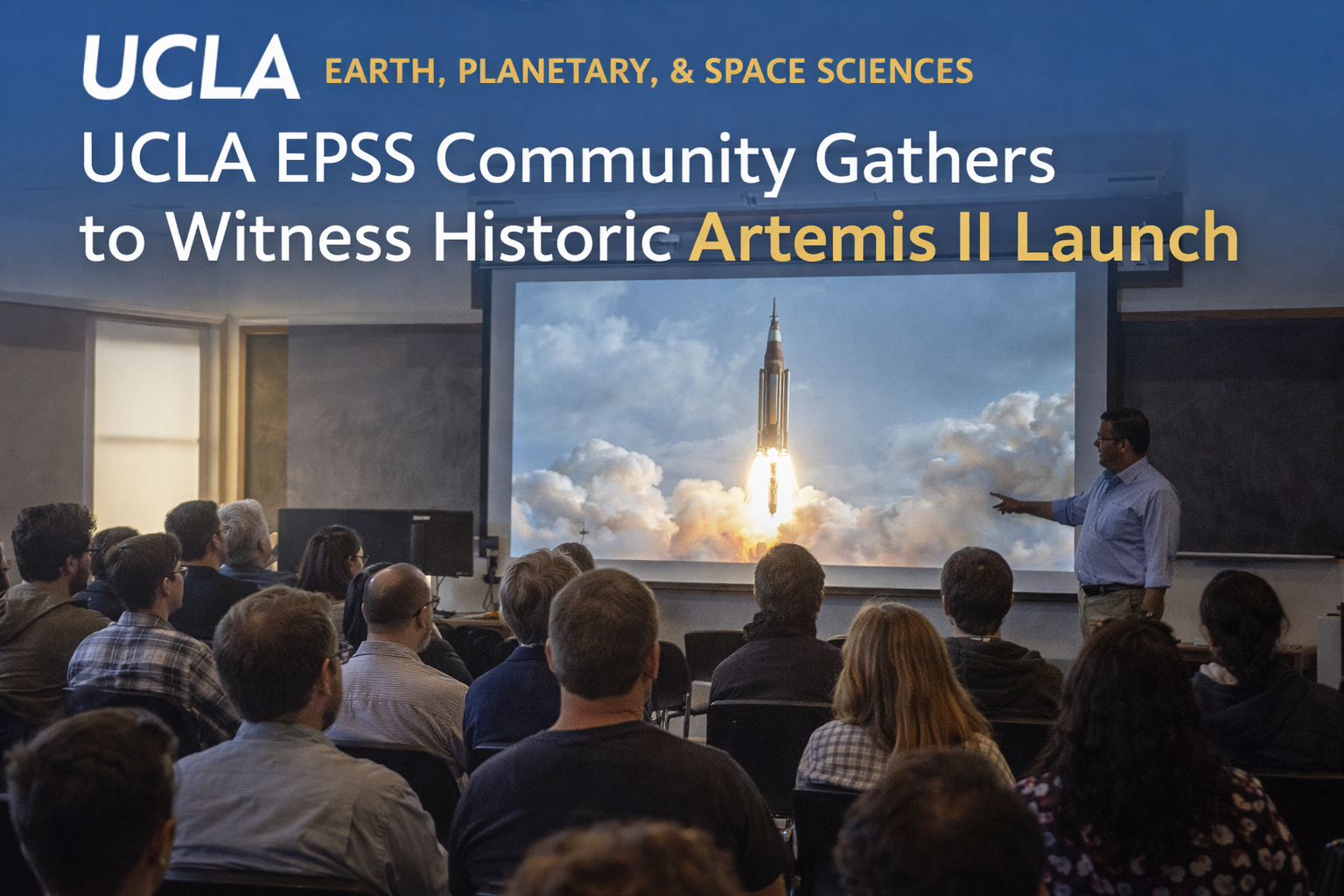
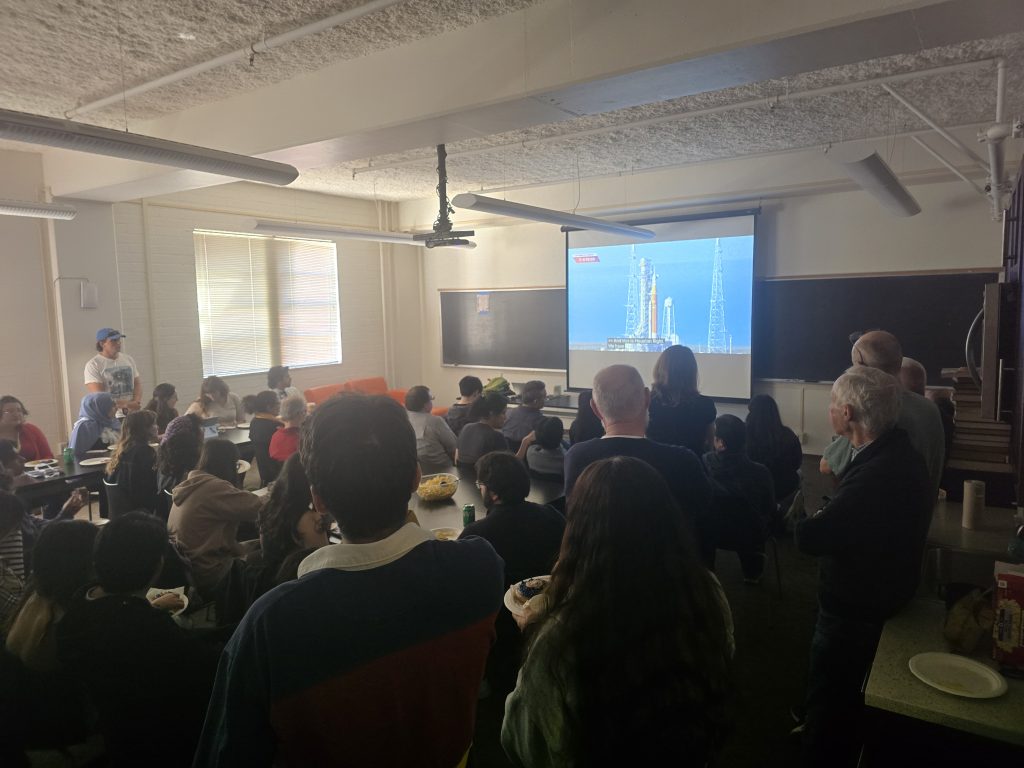
On April 1, 2026, about 60 UCLA Bruins and family members gathered in the Department of Earth, Planetary, and Space Sciences to view the launch of Artemis II—the first human spaceflight mission to the Moon in 54 years.

The atmosphere was filled with anticipation as attendees awaited the historic launch. Many in the audience were keenly aware of the risks of spaceflight, with memories of the Challenger and Columbia astronauts still vivid.

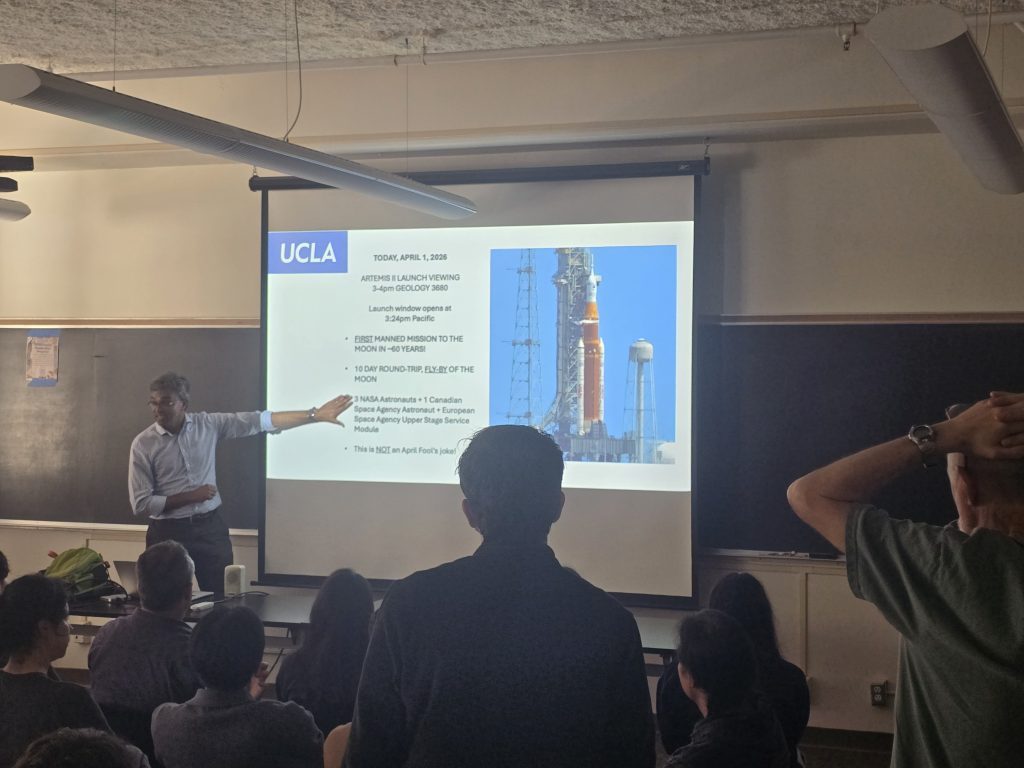
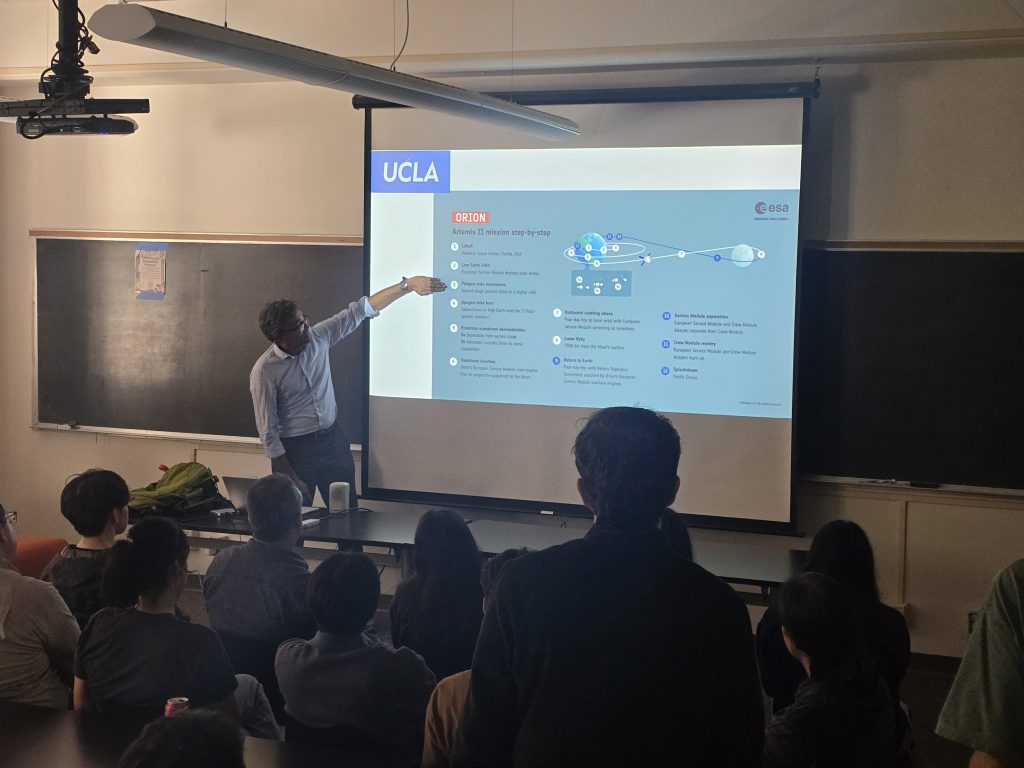
During the event, Dr. Ranga Ram Chary provided insights into the history and significance of the Artemis mission and guided attendees through the Artemis trajectory to the Moon and beyond.

As the launch concluded, the room erupted in cheers, reflecting both relief and excitement as the four astronauts successfully began their journey.

Special thanks to Kyle Webster for providing the video coverage of the event.

Anticipation builds as attendees await the Artemis launch.
Dr. Chary discusses the history and significance of the Artemis mission.
Dr. Chary illustrates the Artemis trajectory to the Moon and beyond

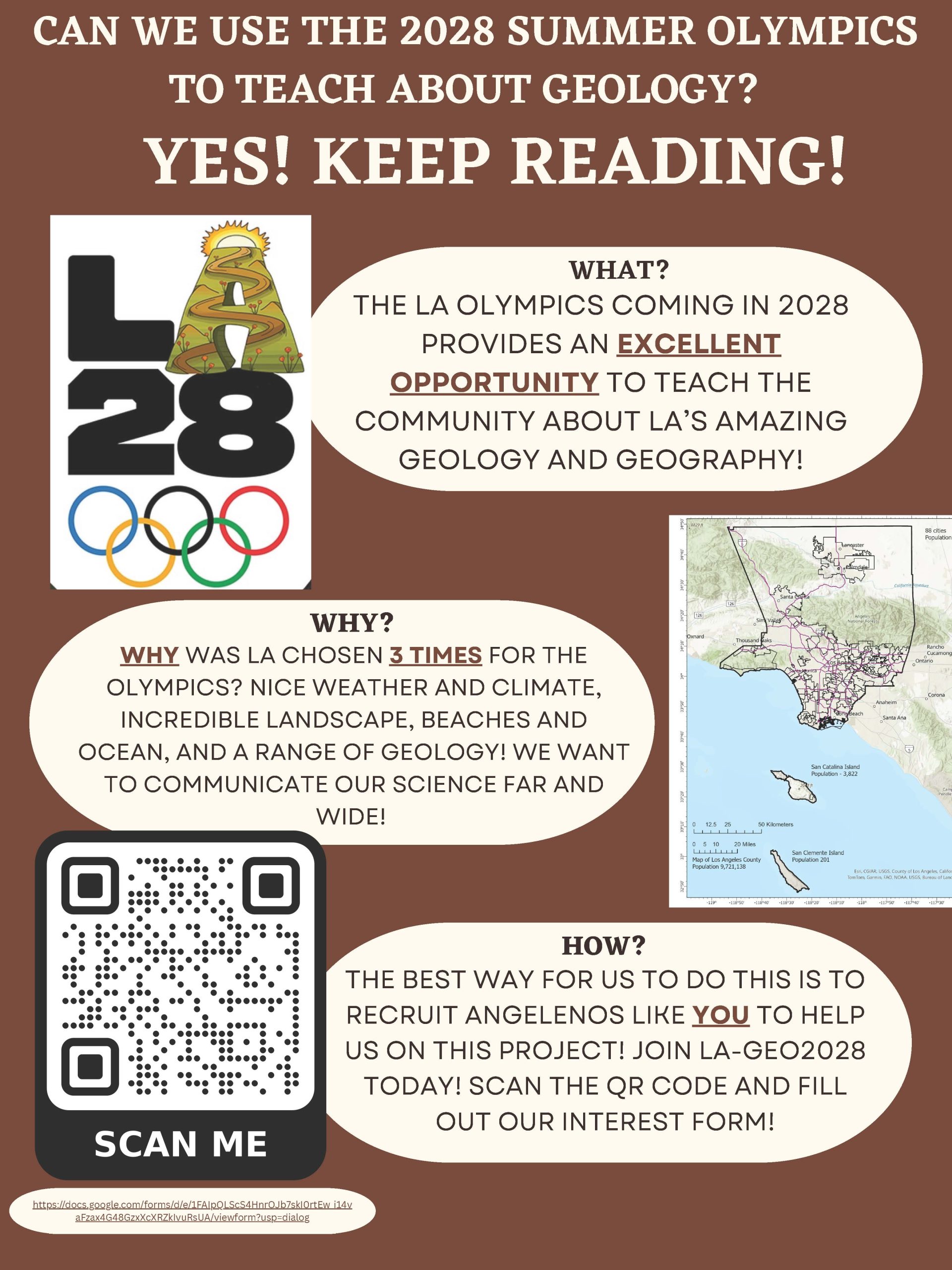
Can we use the 2028 Summer Olympics to teach about geology?

Yes — and this initiative explores exactly that.

The LA-Geo28 student working group highlights how the upcoming 2028 Los Angeles Olympics present a unique opportunity to engage the community in understanding the region’s geology and geography.

This project aims to connect large-scale public events with Earth science education, making geology more accessible, relevant, and exciting.

📄 Download the full flyer for more details:

🖼️ See the flyer below:

If you are interested in participating or learning more, please refer to the flyer or contact the organizers.

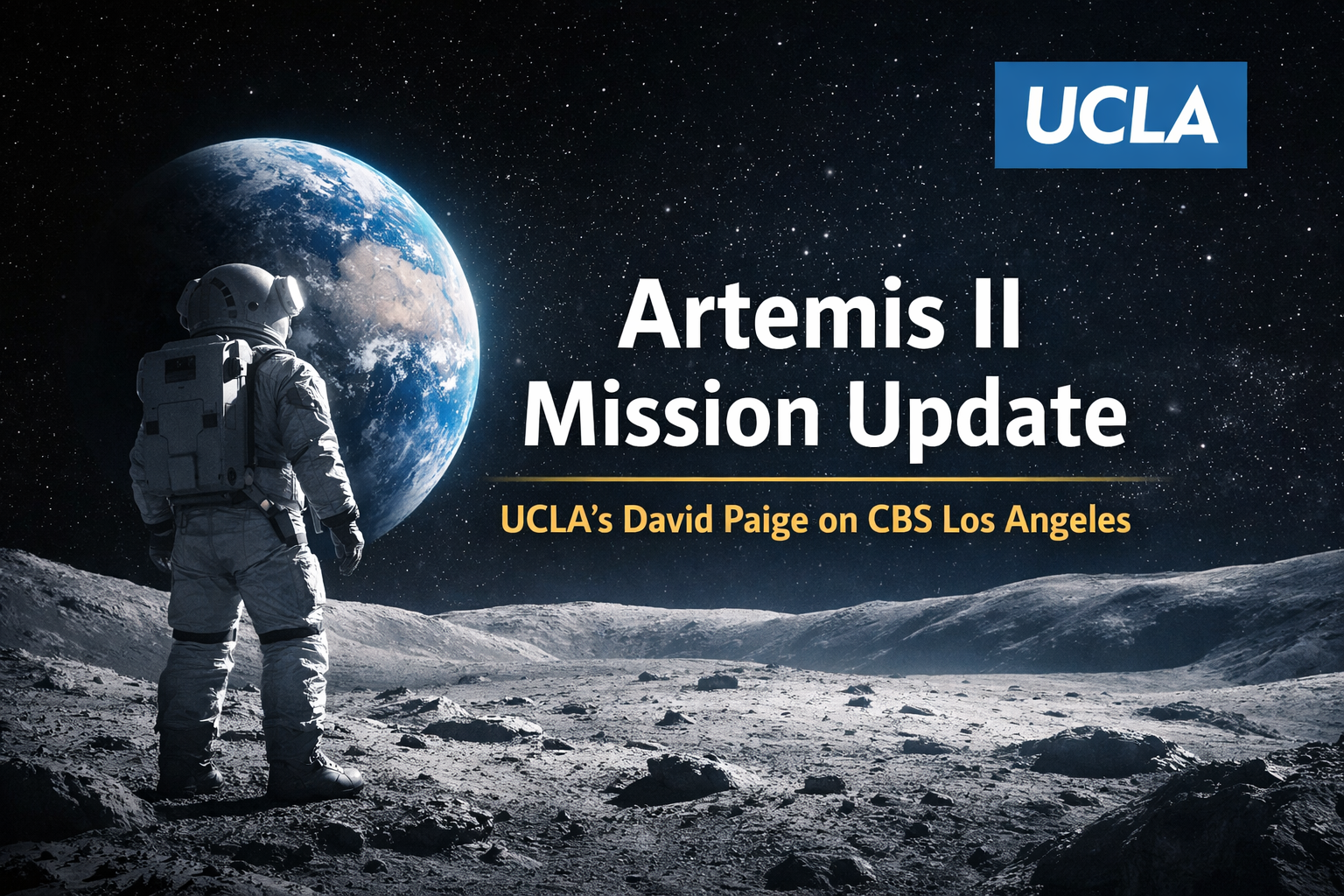
UCLA Earth, Planetary, and Space Sciences professor David Paige recently appeared on CBS Los Angeles to discuss the progress and next steps of NASA’s Artemis II mission.

Speaking during Day 3 of the mission, Professor Paige provided expert insight into the goals of Artemis II and what this mission means for the future of lunar exploration and human spaceflight.

The Artemis program represents a major step forward in NASA’s efforts to return humans to the Moon and lay the groundwork for future missions to Mars.

🎥 Watch the full interview below:

👉 https://www.cbsnews.com/losangeles/video/ucla-professor-discusses-next-steps-for-artemis-ii-as-mission-enters-day-3/

UCLA Newsroom has published a compelling new story and video highlighting the Moon in connection with the Artemis II mission. The feature brings together insights from UCLA faculty across multiple disciplines, showcasing the broad scientific and cultural significance of lunar exploration.

Featured faculty

  • David Paige (Physical Sciences, EPSS)
  • Alex Purves (Humanities)
  • Bharat Venkat (Life and Social Sciences)

This collaborative effort reflects UCLA’s interdisciplinary approach to understanding the Moon, from planetary science to humanistic and societal perspectives.

The project was led by the UCLA College communications team, with concept development and production spearheaded by Tina Hordzwick, alongside a talented group of videographers and staff.

As lunar exploration continues to evolve, including the Artemis II mission, UCLA faculty and students remain actively engaged in shaping the future of space research and discovery.

View the full story and video on UCLA Newsroom

Geochemistry - Winter 2026 Seminars

Jan 1, 2026 – Dec 31, 2026

Planetary Seminar Winter 2026 Seminars

Jan 1, 2026 – Dec 31, 2026

Dynamics and Origins of Mean-Motion Resonances in Extrasolar Planetary System

Date: January 15, 2026   12:00 – 1:00pm

Location: 3853 Slichter Hall

Presented by: Man Hoi Lee — University of Hong Kong

In our Solar System, there are numerous mean-motion resonances for the minor bodies and satellites, but there are no mean-motion resonances between the planets. The first mean-motion resonance in an extrasolar planetary system – the 2:1 resonance between two Jupiter-mass planets around the star GJ 876 – was discovered in 2001. Since then, an increasing number of pairs of planets in or near mean-motion resonances and resonant chains of three or more planets have been detected. I will discuss the dynamics of these systems and the constraints that they provide on the formation and dynamical evolution of planets. Topics will include high-order mean-motion resonances in the HD 202206 and nu Ophiuchi systems and the formation of resonant chains near the inner edge of protoplanetary disks.

Exploring Venus Through In Situ Radar Observations 

Date: February 12, 2026   12:00 - 1:00pm

Location: Slichter Hall Room 3853 

Presented by: Scott Hensley — JPL

 Venus, Earth’s twin, is not only the closest planet to us in the solar system, it the closest to Earth in mass, density and size and yet it evolved very differently than the Earth. Venus has an atmosphere that has 90 times the surface pressure as the Earth with a surface temperature of 460 C. Venus does not have a system of plate tectonics like the Earth which is one of the key reasons that Earth is a habitable planet. So how did two planets with roughly the same physical parameters evolve so differently? The NASA Magellan mission to Venus in the Early 1990’s used radar to image the planet’s surface through the optically opaque atmosphere at ~150 m resolution and showed that Venus has a young surface that had been volcanically resurfaced with the last 500 million years. As much a Magellan informed us about Venus it also left many key questions about Venus’s planetary evolution unanswered. Two missions to Venus, VERITAS by NASA, and EnVision by ESA in partnership with NASA, will return to Venus in the 2030’s with the goal of answering how these planet’s evolved so differently. The answer to this question will help inform how many Earth and Venus like planets are there in other solar systems. Radars play a key role on each mission and this talk will describe their role in these missions to Venus and how in combination with the other instruments hope to resolve one of the key mysteries in planetary science.  

Natural Satellites of the Solar System – 419 Moons and Counting

Date: March 12, 2026   12:00 - 1:00pm

Location: Slichter Hall Room 3853 

Presented by: Marina Brozovic — JPL

Our knowledge of the satellite population in the solar system has grown rapidly in the past 100 years.
In the early 1900s almost every known moon was a regular satellite — the large, primordial bodies that formed with their parent planets.
The Voyager flybys fundamentally changed that picture by revealing numerous small inner satellites of the giant planets, bodies likely tied
to ring-system evolution and ongoing collisional processing near the planet. Beginning around 2000, wide-field CCD surveys (e.g. CFHT, Subaru) opened a third population regime: most new discoveries were irregular or outer satellites — dynamically distinct, highly inclined, often retrograde
objects whose origins are not native to the planet system but are best explained as captured heliocentric planetesimals from the early solar system. At JPL, we develop and maintain ephemerides for all known satellites. The orbital models range from simple precessing ellipses to full dynamical models that include tides, relativistic terms, satellite libration, and high order gravity field expansions. These models draw on data sets spanning more than a century of astrometric measurements, from early visual observations to modern spacecraft tracking. Ultimately, satellite ephemerides are not just navigation products needed to point a telescope or fly a spacecraft – they are scientific observables that encode the history and dynamics of entire planetary systems. Each orbit tells a story about its origin, its interactions, and its ongoing evolution.
We will review the current state of satellite ephemerides across the solar system and highlight some interesting dynamical puzzles.

Geology/Geophysics Seminar Winter 2026 Seminars

Jan 1, 2026 – Dec 31, 2026

 Illuminating ruptures of moderate earthquakes with multi-fibre networks

Date: January 29, 2026   12:00 – 1:00 pm

Location: 3853 Slichter Hall

Presented by: Hao Zhang — Caltech

Being able to image the ruptures of moderate earthquakes would significantly increase our observations towards comprehending earthquake source physics, fault properties and seismic hazards.

However, resolving their rupture characteristics remains challenging for conventional seismic networks due to limited station density. The emergence of Distributed Acoustic Sensing (DAS) offers a potential solution by providing dense and continuous measurements. In this study, we systematically evaluate the resolution capabilities of multi-fibre DAS networks for back-projection (BP) and demonstrate the feasibility of using DAS networks through both synthetic tests and analysis of a Mw 4.9 event in the Eastern California Shear Zone.

Furthermore, we propose a two-step inversion procedure that strategically integrates DAS with the conventional network. Our results suggest that strategically deployed multi-fibre DAS network can serve as the next generation of earthquake observation system and significantly enhance our understanding of earthquake rupture physics, as well as seismic risk preparedness.

 Ambient Noise Full Waveform Inversion with Neural Operators

Date: February 5, 2026   12:00 - 1:00pm

Location: Slichter Hall Room 3853

Presented by: Dr. Caifeng Zou — Caltech

Numerical simulations of seismic wave propagation are crucial for investigating velocity structures and improving seismic hazard assessment. However, standard methods such as finite difference or finite element are computationally expensive. Recent studies have shown that a new class of machine learning models, called neural operators, can solve the elastodynamic wave equation orders of magnitude faster than conventional methods. Full waveform inversion is a prime beneficiary of the accelerated simulations. Neural operators, as end‐to‐end differentiable operators, combined with automatic differentiation, provide an alternative approach to the adjoint‐state method. State‐of‐the‐art optimization techniques built into PyTorch provide neural operators with greater flexibility to improve the optimization dynamics of full waveform inversion, thereby mitigating cycle‐skipping problems. We demonstrate the application of neural operators for full waveform inversion on real seismic data, using nodal transects collected across the San Gabriel, Chino, and San Bernardino basins in the Los Angeles metropolitan area.