Skip to Main Content

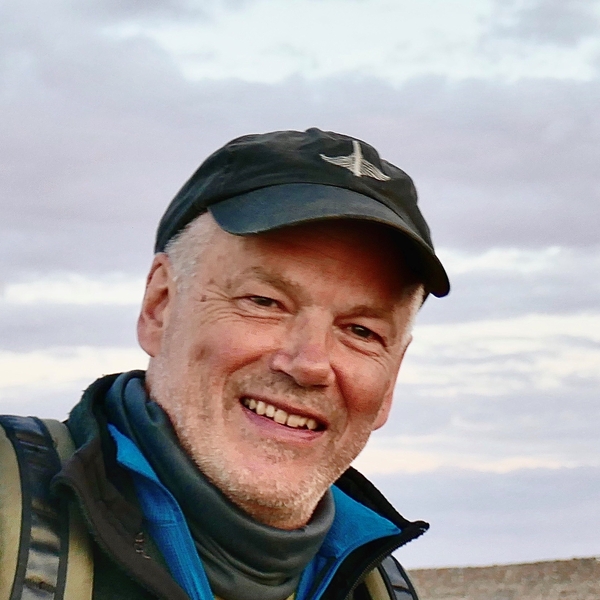
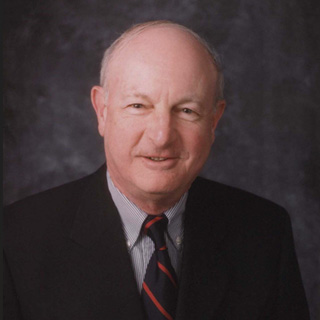
Arthur Montana, professor emeritus of Earth, Planetary, and Space Sciences at UCLA, passed away on August 8, 2025, at the age of 90.

Born in Montana, Montana earned his Ph.D. in geology from Penn State University, where he later served as a junior faculty member before joining UCLA in 1976. His early postdoctoral work with Peter Wyllie at the University of Chicago helped shape his lifelong interest in the deep processes that drive Earth’s evolution.

At UCLA, Montana became a central figure in experimental petrology, advancing the study of igneous and metamorphic processes. Working with students and postdoctoral researchers, he developed and refined tools that remain widely used to estimate the pressures and temperatures recorded in ancient rocks.

His experiments revealed how water and other volatiles influence the melting of Earth’s mantle and the crystallization of magmas—insights that helped define the field’s modern foundations.

As department chair from 1987 to 1991, Montana led a period of renewal. He worked tirelessly to rebuild the geochemistry program after several key departures. Many of the researchers he recruited, such as Mary Reid, Jon Davidson, Mark Harrison, Kevin McKeegan, and Craig Manning became core faculty and paved the way for a new generation of growth and discovery in the department.

“Art was a fierce advocate for the department. He was persistent, direct, and completely committed to seeing it thrive,” said Manning. But he was more than just an advocate, he truly walked the walk. When Manning came to him with concerns about the costs of establishing his own experimental lab, Montana went above and beyond. “He told me on the spot that I could have his lab. This is simply not something you see every day in a university setting, where space is at a premium and often carefully guarded. That selflessness and dedication to the department is something I took with me ever since.” 

Prior to joining UCLA and living in upstate New York, Mark Harrison was exposed to Montana’s famously persuasive style. “He called my wife every Monday morning that winter,” Harrison said, “ostensibly to check in on our decision to come to Los Angeles, but always noting that it was currently 72 degrees in Santa Monica.” Those who worked with him knew that behind his humor and persistence was an unshakable commitment to his colleagues and students.

After his retirement in 1992, Montana moved to New Mexico, where he devoted himself to animal rescue and helped modernize the state’s mine reclamation policies. He later lived in the Wisconsin Driftless Area, Colorado, and Northern California, continuing to explore the landscapes that had always inspired him.

An avid outdoorsman and long-distance runner, Montana founded a departmental running group that was famous for returning hours later than expected after venturing deep into the canyons north of campus. The same curiosity and endurance that drove those runs also characterized his science—restless, methodical, and always chasing the next question.

Arthur Montana will be remembered as a pioneering experimentalist, a devoted mentor, and a leader whose generosity of spirit helped shape generations of UCLA geoscientists. His legacy endures in the laboratories he built, the scientists he inspired, and the community he helped strengthen.

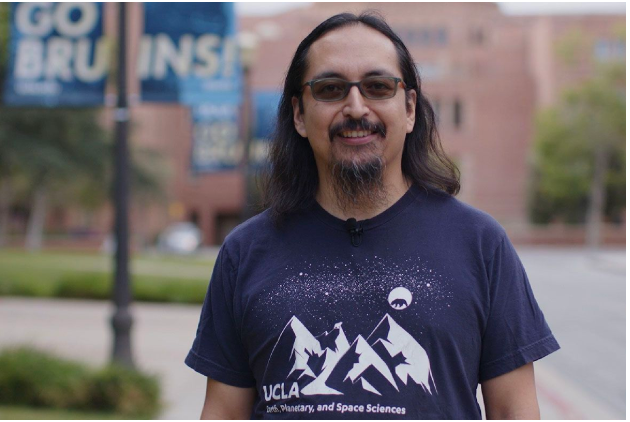
EPSS sponsored a spirited reception during the Geological Society of America (GSA) meeting in San Antonio, the first UCLA reception at GSA in decades, showcasing the strength and resilience of the department. Hosted by Assistant Professor John He, who recently joined UCLA in 2024, the event brought together generations of Bruins to celebrate their shared roots in geology and field science. Current and emeritus professors, graduate students, post-docs, and alumni, including a past GSA President, GSA fellows, professionals, and researchers scattered across the country, all came together throughout the evening and swapped stories about their time at UCLA. They shared updates from their professional paths, and reflected on the lasting influence of their time at UCLA. Many remembered the late Professor An Yin, whose spirit of determination and curiosity still resonates across the program. Professor Yin would always say, ‘Just do it,’ and that’s exactly what we’re doing: building a new global tectonics and geoscience research program and training the next generation of field geologists. The event underscored a key message: the continued engagement and advocacy from alumni, friends, and partners who believe in the department’s mission is ensuring that the legacy of UCLA geoscience remains dynamic and strong. With renewed energy and a shared vision for the future, EPSS continues to strengthen its place at the forefront of Earth science. 

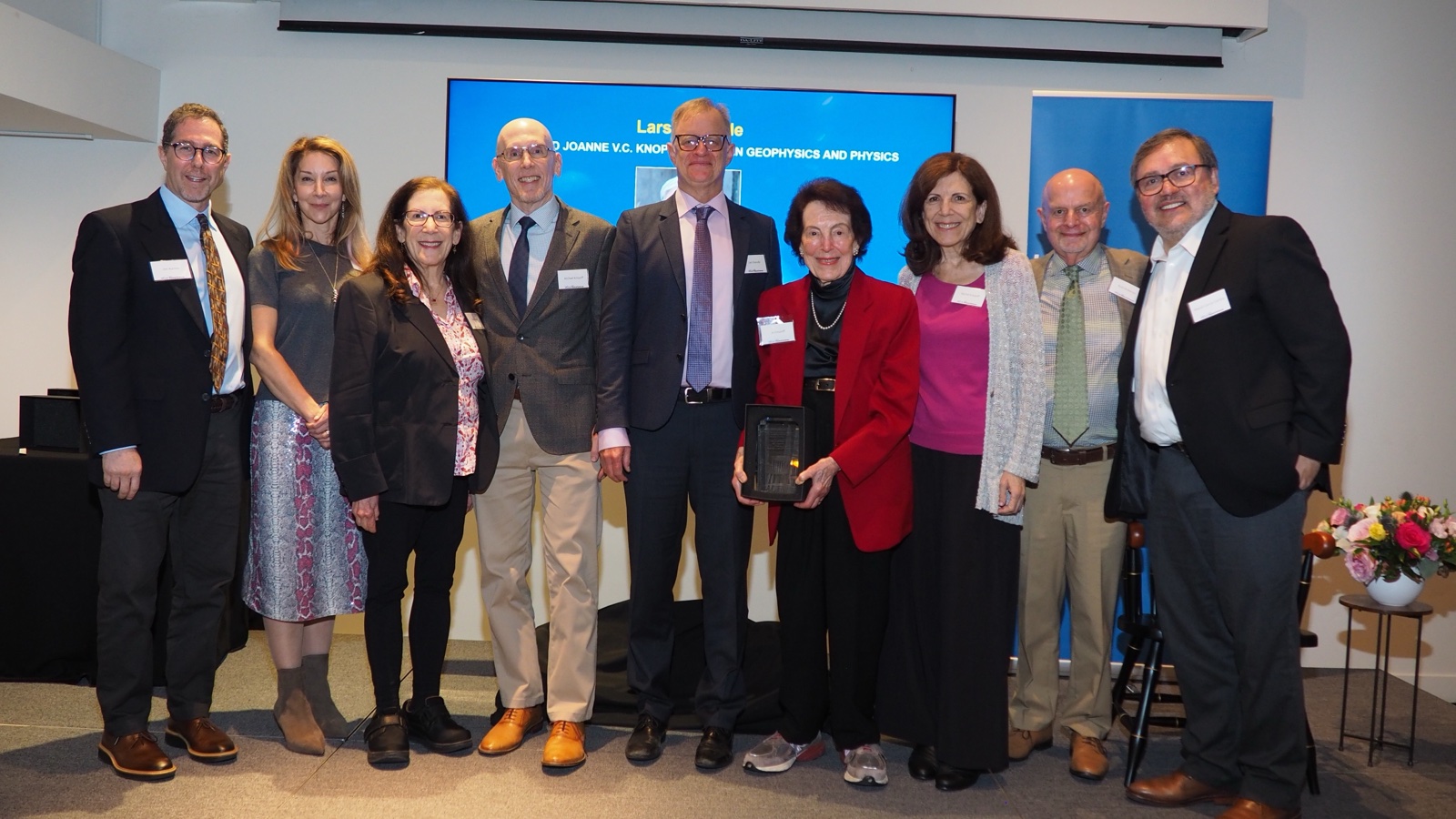
UCLA EPSS Professor Vassilis Angelopoulos has been selected by the American Geophysical Union to give this year’s Space Physics and Aeronomy Section Van Allen Lecture at the AGU Meeting in December 2025. The James Van Allen Lecture is presented biennially to a space scientist who has made significant contributions to the field of magnetospheric science. It is named to honor the life and work of astrophysicist and space pioneer James A. Van Allen. Prof. Angelopoulos is an experimental space physicist. He is the principal investigator of the ELFIN, THEMIS, and ARTEMIS missions, studying space weather phenomena at Earth and the moon’s plasma interaction with its space environment.

Link to the AGU Website

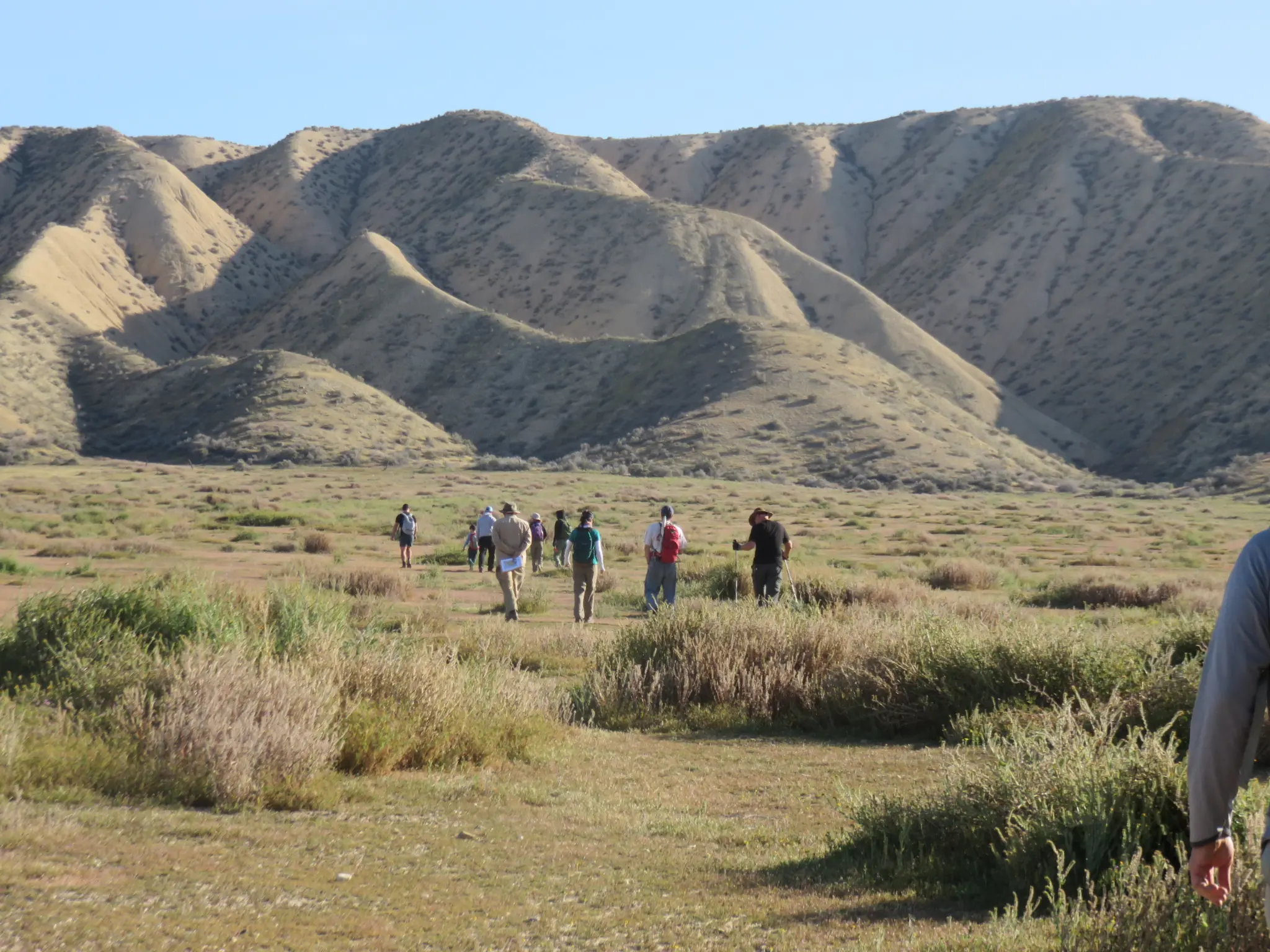
This video captures moments from our Spring 2025 Igneous Petrology field trip to Owens Valley, California. We explored volcanic features, hiked through the Sierra, and spent evenings at the White Mountain Research Station under brilliant sunsets and starry skies. Beyond studying rocks, students reconnected with nature — wading in Lake Crowley, playing basketball and volleyball, and enjoying the quiet beauty far from city lights. Such moments remind us why we study Earth in the first place — it’s the love for nature we all share as human beings.